which patio slabs are best

Choosing the best patio slabs for your outdoor space is essential to creating a durable, stylish, and low-maintenance patio. With so many materials available, it can be overwhelming to decide which is right for your garden or outdoor area. In this guide, we’ll explore the most popular patio slab options, their benefits, and how to choose the best one for your needs.

Factors to Consider When Choosing Patio Slabs

Before selecting your patio slabs, consider the following key factors:

  • Durability: Can the material withstand weather changes and heavy foot traffic?

  • Maintenance: How easy is it to clean and maintain?

  • Slip Resistance: Is the surface safe, especially when wet?

  • Aesthetic Appeal: Does it complement your outdoor space and home design?

  • Cost: Is it within your budget?

  • Weather Resistance: Will it hold up against freezing temperatures, rain, and sun exposure?

  • Installation Complexity: Some materials require professional installation, while others are DIY-friendly.

Best Types of Patio Slabs

1. Porcelain Patio Slabs

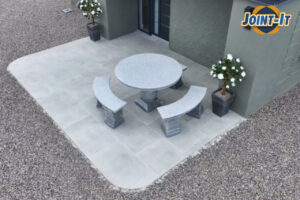
porcelain patio
Pros:
  • Highly durable and resistant to stains, scratches, and weather conditions.

  • Low maintenance and easy to clean.

  • Available in a variety of styles and colours.

  • Non-porous, preventing moss and algae growth.

  • Frost-resistant, making them ideal for colder climates.

Cons:
  • Can be more expensive than other options.

  • Requires professional installation for best results.

2. Natural Stone Patio Slabs

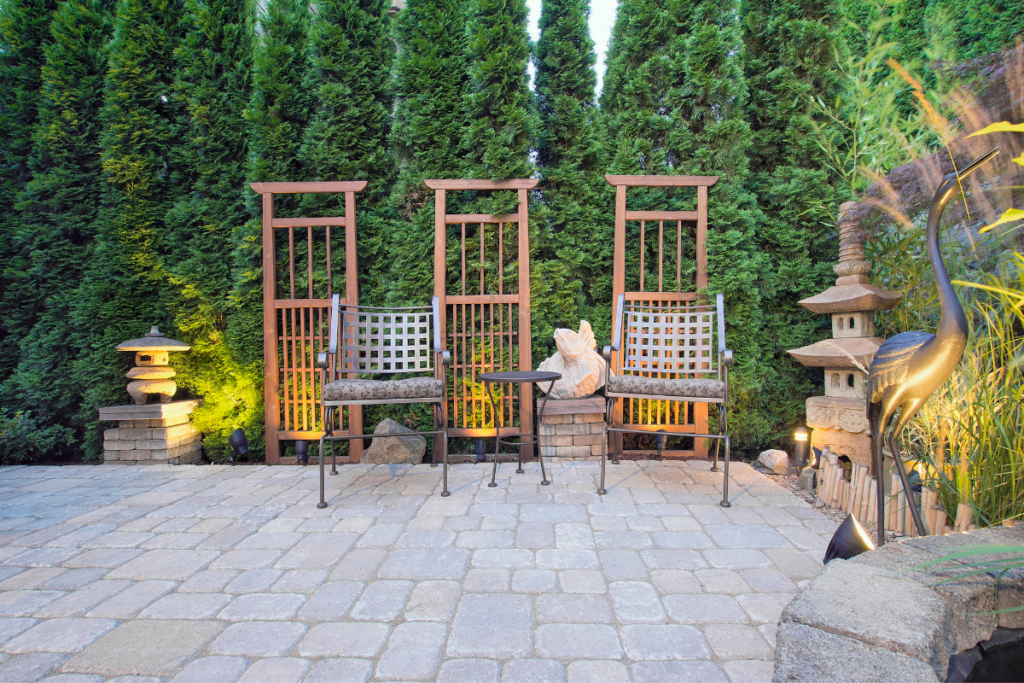
natural stone patio
Pros:
  • Unique and aesthetically pleasing with natural variations.

  • Long-lasting and highly durable.

  • Available in options like sandstone, limestone, and granite.

  • Blends seamlessly into garden landscapes.

  • Enhances property value due to its premium appearance.

Cons:
  • Can be more expensive depending on the type of stone.

  • Some varieties may require sealing to prevent staining.

  • Can be porous, meaning it may absorb moisture and require extra maintenance.

3. Concrete Patio Slabs

Pros:
  • Affordable and widely available.

  • Comes in various finishes, including textured and decorative patterns.

  • Strong and durable for high-traffic areas.

  • Easy to install for DIY enthusiasts.


Cons:
  • Can be prone to cracking over time.

  • Requires sealing and regular maintenance.

  • Colour may fade with prolonged exposure to sunlight.

4. Block Paving Slabs

block paving
Pros:
  • Versatile and available in different shapes and colours.

  • Easy to replace individual blocks if damaged.

  • Slip-resistant surface.

  • Allows for creative and custom patio designs.

Cons:
  • Can be labour-intensive to install.

  • Requires regular maintenance to prevent weed growth between blocks.

  • Can shift over time if not properly installed.

5. Gravel and Resin-Bound Slabs

Pros:
  • Permeable and excellent for drainage.

  • Low-maintenance and visually appealing.

  • Provides a non-slip surface.

  • Ideal for modern and eco-friendly patio designs.

Cons:
  • Gravel may shift and require topping up over time.

  • Resin-bound surfaces can be expensive and need professional installation.

  • Limited in terms of traditional stone aesthetics.

Which Patio Slabs Are Best for Your Needs?

  • If you want luxury and low maintenance, choose porcelain slabs.

  • For a natural and timeless look, go for natural stone.

  • If you need an affordable and durable option, concrete slabs work well.

  • For a unique and customisable design, block paving is a great choice.

  • If you prefer excellent drainage and a modern touch, consider gravel or resin-bound surfaces.

  • For DIY-friendly installation, concrete or gravel are the easiest choices.

  • If you live in an area with harsh winters, porcelain or natural stone may be the best options due to their frost resistance.

natural stone patio Joint-It

Tips for Maintaining Your Patio Slabs

To extend the lifespan of your patio and keep it looking great year-round, consider these maintenance tips:

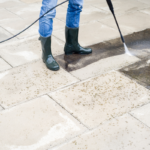
  • Regular Cleaning: Sweep away debris and wash the surface with mild detergent to prevent staining and algae growth.

  • Sealing (if required): Some materials, like natural stone and concrete, benefit from periodic sealing to enhance durability and protect against moisture.

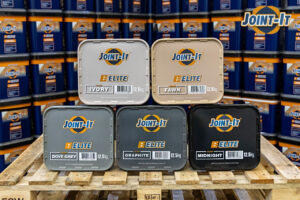
  • Weed Prevention: Use a high-quality jointing compound like Joint-It to prevent weeds from growing between the slabs.

  • Repair Cracks Promptly: Small cracks in concrete or natural stone should be addressed quickly to prevent larger issues down the line.

The best patio slabs for your outdoor space depend on your personal preferences, budget, and maintenance commitment. Porcelain slabs are excellent for a modern, low-maintenance patio, while natural stone offers a unique and elegant touch. Regardless of your choice, ensure proper installation and maintenance for long-lasting results.

Read here for tips on how to pick the best patio grout colours.


Recommended Posts