porcelain patio

Porcelain patio tiles have gained popularity as an excellent choice for outdoor spaces due to their durability, aesthetics, and low maintenance. However, one of the most common concerns among homeowners is whether porcelain tiles become slippery when wet. Understanding the slip resistance of these tiles is essential for ensuring safety, especially in high-moisture environments.

The Slip Resistance of Porcelain Tiles

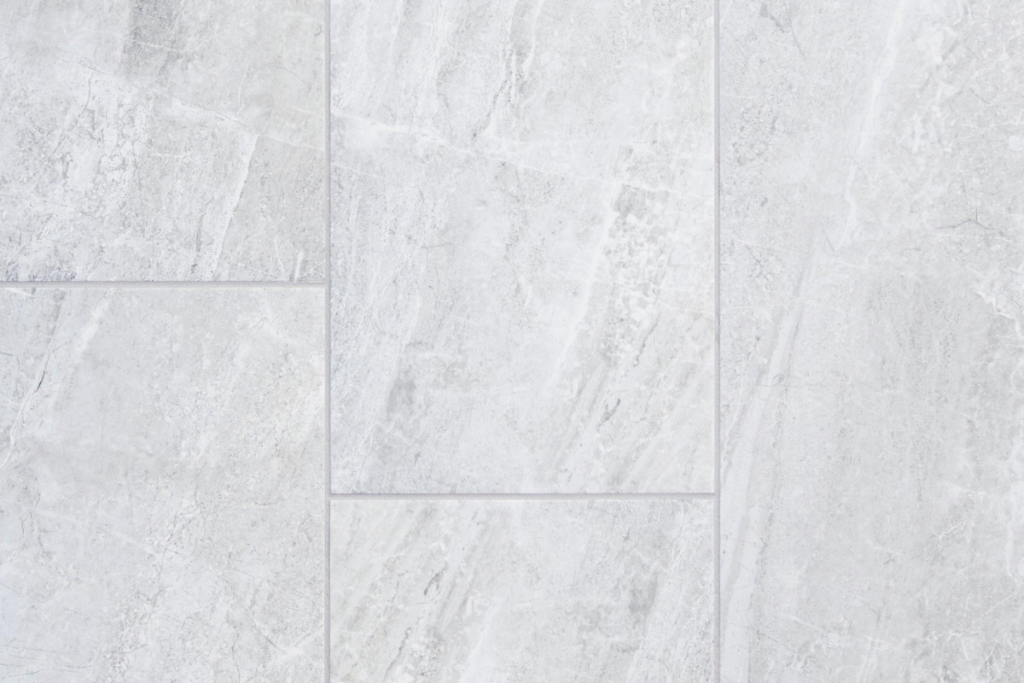
Porcelain tiles are known for their non-porous nature, which means they absorb very little water. Unlike natural stone, which can develop moss and algae that create a slippery surface, porcelain tiles resist moisture penetration. Additionally, many outdoor porcelain tiles are designed with textured surfaces or anti-slip coatings to enhance their grip, even in wet conditions.

Slip resistance is typically measured using the R rating, which indicates the level of friction a tile provides underfoot. The scale ranges from R9 to R13, with higher numbers signifying better slip resistance. For outdoor applications, an R11 rating or higher is recommended, as it provides sufficient traction for safe walking in wet conditions.

Factors That Affect the Slip Resistance of Porcelain Tiles

Several factors influence how slippery a porcelain tile surface becomes when wet. These include:

Tile Finish

Porcelain tiles come in different finishes, including polished, matte, and textured. Polished tiles have a smooth, glossy surface, making them more prone to becoming slippery. On the other hand, matte and textured tiles offer better traction and are ideal for outdoor patios.

Surface Contaminants

Dirt, debris, fallen leaves, and algae buildup can create a slippery film on the surface of the tiles, even if they are slip-resistant. Regular cleaning can help mitigate this risk.

Slope and Drainage

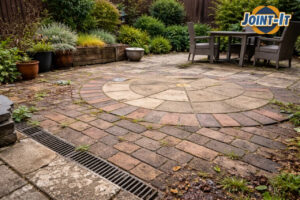
A poorly drained patio can accumulate water, increasing the risk of slipping. Proper slope and drainage ensure that water flows away efficiently, keeping the surface drier and safer.

Type of Grout Used

The grout between tiles can also impact the overall slip resistance. Choosing a high-quality, water-resistant grout like Joint-It Porcelain Epoxy Grout helps prevent water retention and minimises the growth of algae or mold.

porcelain patio

How to Make Porcelain Patio Tiles Safer When Wet

Although porcelain tiles are designed to be slip-resistant, there are several proactive measures you can take to enhance their safety:

1. Choose the Right Type of Porcelain Tile

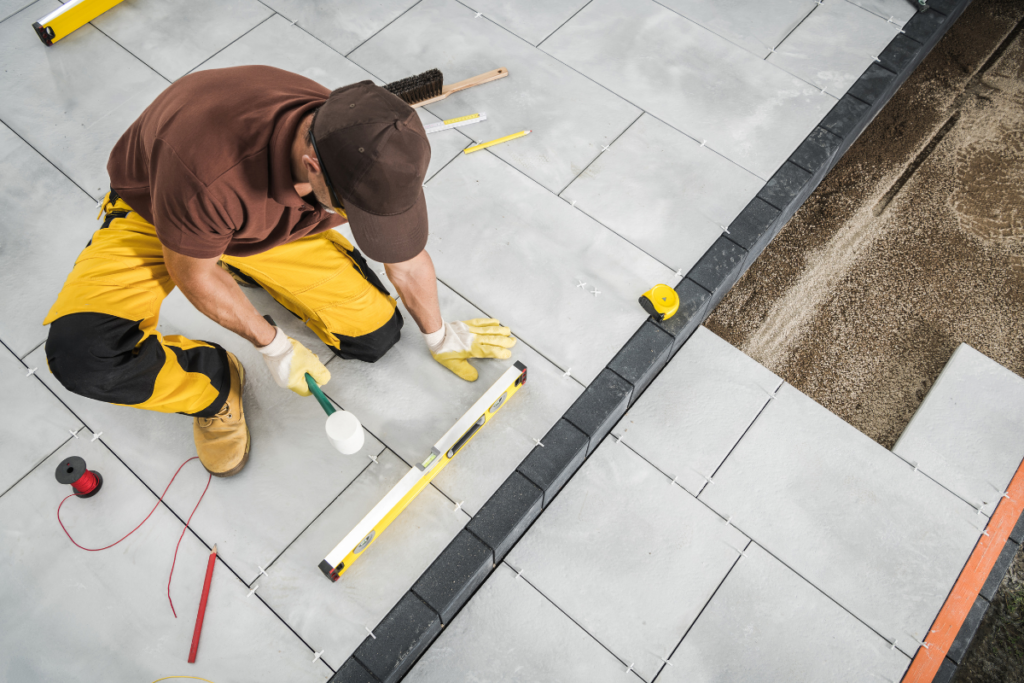
If you are installing a new patio, opt for R11 or R12 rated tiles with a textured surface. These provide extra grip underfoot, reducing the risk of slipping in wet conditions.

2. Keep the Surface Clean

Regularly sweeping and washing your tiles helps remove dirt, algae, and debris that can contribute to slipperiness. Use a mild detergent and a soft brush to maintain the surface without damaging the tiles.

3. Improve Drainage

Ensure that your patio has a proper slope to allow water runoff. If water tends to pool, consider installing additional drainage solutions such as French drains or channel drains.

4. Use Non-Slip Treatments

Non-slip sealers and coatings are available for porcelain tiles, providing an added layer of traction. However, it’s essential to choose a product that is compatible with porcelain and designed for outdoor use.

5. Install Outdoor Rugs or Mats

In high-traffic areas, using outdoor rugs or non-slip mats can help provide additional grip, especially near entrances, pool decks, or steps.

Patio Tools & Equipment | Joint-It

Why Porcelain Tiles Are Still an Excellent Choice for Outdoor Spaces

Despite concerns about slipperiness, porcelain tiles remain one of the best materials for outdoor patios due to their many benefits:

  • Durability: Resistant to weather changes, heavy foot traffic, and general wear and tear.

  • Low Maintenance: Unlike natural stone, porcelain does not require sealing and is resistant to staining.

  • Aesthetic Appeal: Available in a variety of colors, textures, and patterns to complement any outdoor design.

  • Water Resistance: Due to their low porosity, porcelain tiles do not absorb water, reducing the risk of damage and mold growth.

  • Frost and Heat Resistant: Suitable for all climates, porcelain tiles do not crack easily under extreme weather conditions.

To Conclude

Porcelain patio tiles are a stylish, durable, and practical choice for outdoor spaces. While concerns about slipperiness are valid, selecting R11 or R12 rated tiles, ensuring proper maintenance, and implementing additional safety measures can significantly reduce slip risks. By following these best practices, you can enjoy a beautiful and safe patio year-round.

For expert advice on choosing the right grout and maintenance products for your porcelain tiles, visit Joint-It and explore our range of outdoor solutions. Our Porcelain Epoxy Grout is specially formulated to provide long-lasting protection while enhancing the safety and durability of your outdoor tiles.

Recommended Posts