
A well-designed patio should feel timeless, practical and easy to maintain. However, many gardens start to look tired not because of age, but because of patio design mistakes that fall out of fashion or create long-term problems.
In this guide, we’ll explore the most common patio design mistakes that date your garden, why they happen, and how to avoid them when planning or updating your outdoor space.
Why Patio Design Mistakes Matter
Your patio is one of the most permanent features in your garden. While furniture and plants can be changed easily, poor patio design choices are far harder, and more expensive, to fix.
Avoiding common patio design mistakes helps:
Keep your garden looking modern for longer
Improve usability and safety
Reduce maintenance over time
Protect the value of your home
The Most Common Patio Design Mistakes
1. Choosing Trend-Led Materials That Don’t Age Well
Highly fashionable paving colours or finishes can quickly make a patio look dated.
Patio design errors often include:
Overly glossy surfaces
Strong colour trends that fall out of favour
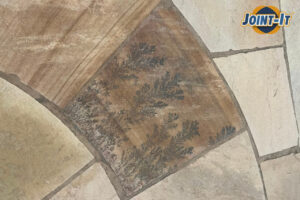
Materials that stain or fade unevenly
Timeless materials with natural tones tend to age far better.
2. Ignoring Patio Layout and Proportions
A patio that’s too small, too large, or poorly shaped can feel awkward and outdated.
Common layout-related patio design errors include:
Narrow patios with limited seating space
Oversized slabs in small gardens
Poor alignment with doors or garden features
Balanced proportions create a more modern, intentional look.
3. Poor Jointing Choices
Jointing is often overlooked, yet it has a huge impact on appearance and longevity.
Outdated jointing methods can:
Crack or discolour
Encourage weeds
Make paving look uneven
Using modern jointing solutions helps keep patios clean, uniform and visually sharp.
4. Failing to Plan for Drainage
Drainage issues quickly age a patio.
When drainage is ignored:
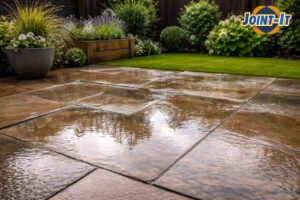
Water pools on the surface
Algae and staining develop
Slabs can shift or sink
Good drainage is essential for both aesthetics and performance.
5. Overcomplicating the Design
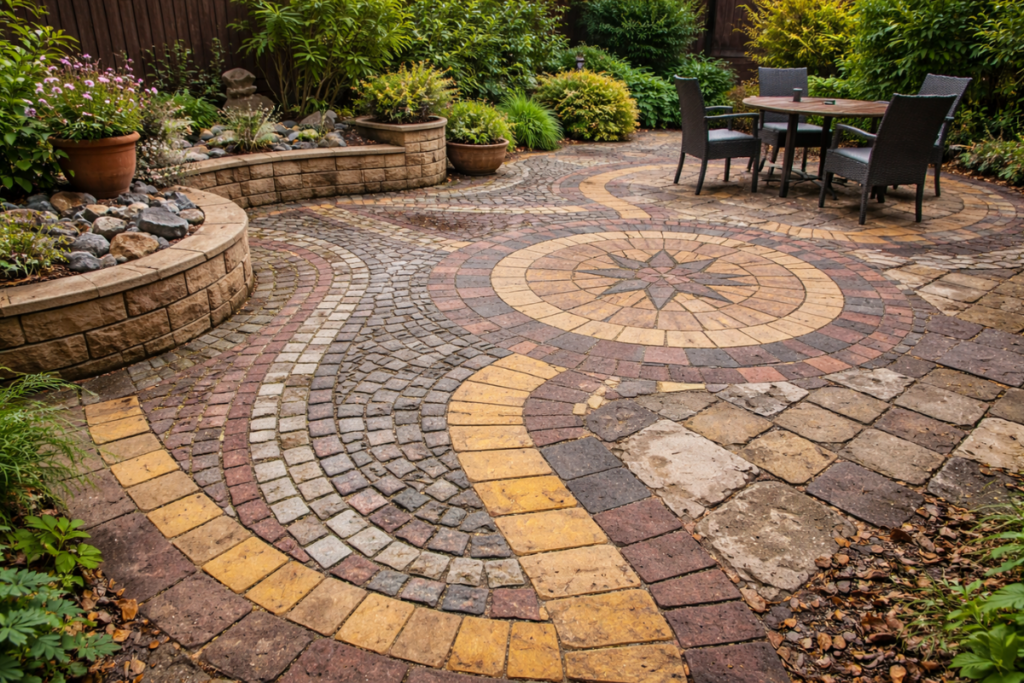
Too many patterns, colours or textures can overwhelm a space.
Patio design mistakes often involve:
Multiple paving styles in one area
Complicated laying patterns
Excessive borders or contrasts
Simple designs tend to look more contemporary and age better.
6. Neglecting Practical Use
A patio should suit how you actually use your garden.
Mistakes include:
No space for furniture
Poor access routes
Slippery surfaces
Functionality is just as important as appearance in good patio design.
7. Using Cheap Materials to Cut Costs
Short-term savings often lead to long-term regret.
Lower-quality materials can:
Discolour quickly
Crack or fail under weather exposure
Require frequent repairs
Investing in quality from the start helps avoid future patio design problems.
How to Avoid Patio Design Mistakes
To future-proof your patio:
Choose neutral, timeless materials
Plan layout and drainage carefully
Design with real use in mind
Avoid short-term trends
A well-planned patio should still look good years down the line.

Frequently Asked Questions
Poor drainage, outdated materials, bad layout proportions and low-quality jointing are the most common patio design mistakes.
Often yes. Re-jointing, cleaning and small layout adjustments can modernise an existing patio.
When designed correctly, modern patios using quality materials and jointing solutions are typically far lower maintenance.
Patio design mistakes don’t just date your garden, they create ongoing maintenance issues and reduce usability. By focusing on timeless design, quality materials and proper planning, you can create a patio that looks modern and performs well for years to come.
Avoiding common patio design mistakes is one of the smartest investments you can make in your outdoor space. For more information, read “How to Choose a Size and Shape for Your Patio“