Weeds in your paving joints can be a persistent and frustrating problem. Not only do they detract from the aesthetic appeal of your driveway, patio, or garden path, but they can also cause damage to your paving over time. Fortunately, preventing weeds from sprouting through your paving joints is easier than you might think. In this article, we’ll share effective tips and tricks for keeping your paved areas weed-free and looking their best.
Why Weeds Grow in Paving Joints
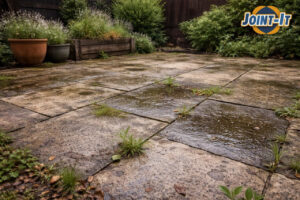
Weeds in patios thrive when they find a space with access to moisture, air, and soil. When gaps between the stones or pavers allow water to accumulate, it creates a fertile environment for weed seeds to settle and grow. If your paving joints aren’t sealed properly, even small openings can invite weeds to grow. Addressing this issue involves more than just pulling weeds — it’s about making your paving system less inviting to them in the first place.
1. Use a High-Quality Jointing Compound
One of the best ways to prevent weeds in your driveway joints is by using a high-quality jointing compound, like Joint-It Simple. This specially formulated compounds fill the gaps between paving stones, making it very difficult for weeds to take root. Ready-mix jointing compounds offer exceptional resistance against weeds, as they are rock solid, creating an strong barrier.
2. Regularly Clean and Maintain Your Paving Joints
Maintaining clean paving joints is essential in preventing weeds. Organic debris, such as leaves, dust, and dirt, can collect in the joints over time, creating a perfect environment for weed seeds to settle and grow. Regularly sweeping and cleaning the joints will help keep the paving surface clear and reduce the chances of weed growth.
By removing organic debris, you reduce the amount of material that can feed weeds. It also helps you spot any early weed growth so that you can address it before it spreads.
3. Apply Weed Killer (Carefully)
If you already have a weed problem in your paving joints, applying a weed killer can help eliminate them quickly. However, it’s important to use a targeted, eco-friendly weed killer that doesn’t harm your plants or the environment. Avoid chemical-based weed killers that can damage your jointing compound or surrounding vegetation. Look for natural or organic solutions that specifically target weeds in hard surfaces.
Weed killers, particularly those designed for paving, can effectively kill weeds without harming the surrounding area. By using them strategically, you can keep your paving joints weed-free.
4. Refill Joints if Required
Over time, your jointing sand in brickpaving may wear down or wash out, particularly in high-traffic areas or places that experience heavy rainfall. If the joints start to open up again, it’s time to re-sand or refill the joints with fresh jointing material such as Joint-It Fine. This will help maintain the solid barrier that prevents weeds from taking root.
A consistent maintenance of block-paving jointing sand prevents weeds from finding a foothold. Regular maintenance ensures that your paving system remains functional and aesthetically pleasing.
5. Ensure Proper Drainage to Prevent Weeds in Paving
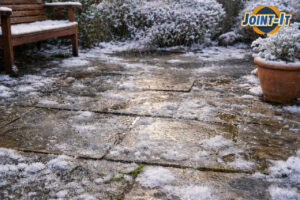
Standing water is one of the main reasons weeds grow in paving joints. If your paving system doesn’t allow for proper drainage, it creates a damp environment where weeds can flourish. Ensure that your paving stones are properly installed with the right angle for drainage, and that water can flow freely through the joints and away from the surface.
Preventing weeds in your paving joints is a mix of proactive measures and regular maintenance. By using high-quality jointing sand like Joint-It Fine, regularly cleaning your paving joints, and employing targeted weed-killing methods, you can keep your paved surfaces looking pristine year-round. Follow these tips to enjoy a beautiful, weed-free outdoor space that requires minimal upkeep.