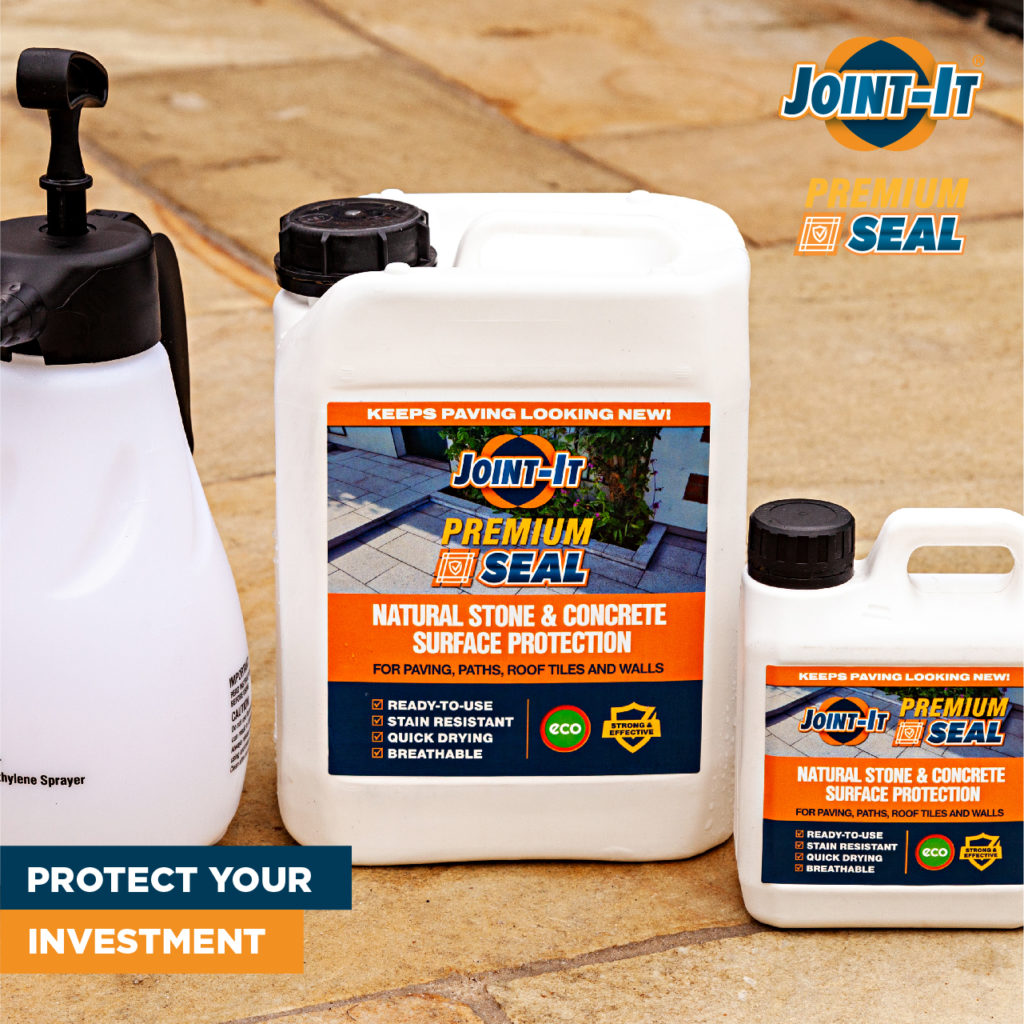
Deciding whether to seal your patio depends on the materials you’re using and the finish you are looking for. At Joint-It, we provide you with all the information you need to make an informed decision about sealing your paving slabs, including the benefits of using our Joint-It Premium Seal.

Applying a Patio Sealer

Deciding whether to seal your patio involves considering how, when, and with which products. While we offer general guidance here, always follow the instructions on your chosen sealer. Our Joint-It Premium Seal comes with comprehensive instructions and a video guide, ensuring optimal results. Some paving grouts might specify sealing requirements based on the materials used, so always refer to those guidelines.


Why Seal Your Patio?

Sealing your patio isn’t absolutely mandatory, but many homeowners choose to do so for several reasons:

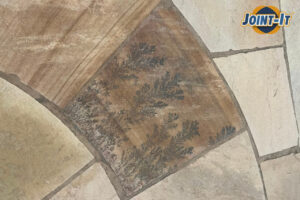
  • Protection from Stains: Prevents spills, efflorescence, salt residues, iron residues, and organic stains.
  • Enhanced Appearance: Improves the colour and finish of your paving slabs.
  • UV Protection: Stops stones from fading due to sun exposure.
  • Water Resistance: Prevents water absorption.
  • Ease of Cleaning: Makes future cleaning simpler.

Certain natural stones like limestone, granite, or slate are particularly recommended for sealing to avoid future stains.


Which Paving Slabs Should Be Sealed?

Natural stones and some manmade paving slabs can be more prone to stains and residues. Professional landscapers often advise sealing the following materials:

  • Limestone (including black limestone)
  • Sandstone
  • Granite
  • Slate
  • Concrete paving
  • Honed Black Granite

Always check the product label and do a spot test to ensure you achieve the desired finish.


When to Seal a New Patio

The timing of sealing your new patio depends on your paving materials and grout. For porous stones like slate, granite, or limestone, pre-sealing is highly recommended before grouting. Otherwise, it’s typically advised to wait 3-6 months post-installation to allow any efflorescence to appear and be cleaned away.

Avoiding Efflorescence

Efflorescence is caused by salts evaporating through the paving slabs. Prevent it by ensuring paving slabs are set on a full-contact mortar bed, free of voids and gaps. Use a slurry primer on the underside and edges of each slab to secure them and prevent movement.

Preparing Paving Slabs Before Sealing

Clean paving slabs thoroughly before sealing. Sweep away dirt, debris, and remove any weeds. Use Joint-It So Clean on your patio to remove any residues and dirt. 

Considerations and Maintenance

Sealing your patio does come with costs and maintenance. Our Joint-It Premium Seal typically requires reapplication every 5 years, depending on the type of stones and sealant used. Before resealing, clean the patio to avoid trapping stains, dirt or residues.

While sealing is an additional step, the benefits are significant. Sealing not only enhances the look of your patio but also protects it from stains and makes ongoing maintenance much easier.

Check out Joint-It Premium Seal for your new or existing patio and keep your patio looking in tip top condition!

Recommended Posts