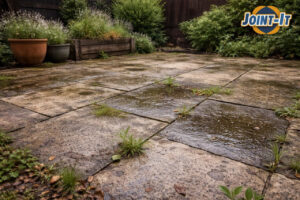
Efflorescence—a term that might sound unfamiliar—can be an all-too-common nuisance for homeowners. This white, powdery residue often appears on patios, walls, and masonry surfaces, marring the beauty of outdoor spaces. While it’s usually harmless, efflorescence can be frustrating, especially if you’ve invested in a pristine patio or stylish brickwork.

In this blog, we’ll explore what it is, why it occurs (particularly in the UK and Ireland), and how to prevent and remove it effectively.

What is Efflorescence?

Efflorescence is the result of water-soluble salts migrating to the surface of porous materials like concrete, brick, or natural stone. When water penetrates these materials and dissolves the salts within, the water evaporates, leaving behind a white or sometimes light-coloured residue.

While typically white, efflorescence in the UK and Ireland can occasionally take on yellow or brown hues, depending on the type of salts involved and the local environment.

Why is Efflorescence Common in the UK and Ireland?

The damp climate in the UK and Ireland makes it particularly susceptible to this natural phenomenon. Here’s why:

  • Frequent Rainfall: The consistent wet weather increases the chance of water seeping into porous materials.
  • High Humidity: Slows the evaporation process, allowing salts more time to travel to the surface.
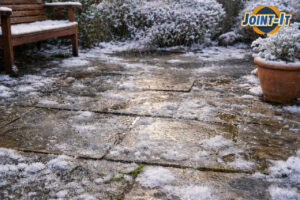
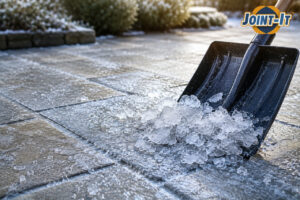
  • Temperature Swings: Freeze-thaw cycles during the cooler months create micro-cracks in materials, encouraging water ingress.
  • Soil Composition: The UK and Ireland’s varied soil types often contain high levels of salts, which can be absorbed by construction materials.

These conditions make efflorescence a recurring issue, especially for patios, garden walls, and exterior brickwork.

Is Efflorescence Harmful?

The good news is that efflorescence is largely a cosmetic issue—it doesn’t typically damage the structural integrity of materials. However, persistent moisture can lead to secondary problems, such as:

  • Staining: Prolonged salt deposits may permanently discolour some materials.
  • Surface Deterioration: Repeated freeze-thaw cycles can weaken porous surfaces.
  • Moss and Algae Growth: Damp conditions that encourage efflorescence can also promote organic growth.

How to Remove Efflorescence

This unsightly residue can be effectively removed with the right approach. Here’s a step-by-step guide:

  1. Brush it Off: Use a stiff-bristled brush to sweep away loose deposits. This works best on dry surfaces.
  2. Wash the Surface: Rinse the area with water and mild detergent. A pressure washer can be helpful for larger patios or walls.
  3. Use a Specialised Cleaner: For stubborn efflorescence, use a masonry or efflorescence remover. These cleaners often contain mild acids that dissolve salt deposits. Always follow the manufacturer’s instructions and test on a small, discreet area first.
  4. Avoid Scrubbing Too Hard: Excessive scrubbing can damage delicate materials like natural stone.
  5.  

Preventing Efflorescence in the UK

Prevention is always better than cure. Here are some practical tips to keep efflorescence at bay:

  1. Seal Your Patio or Walls: Applying a high-quality, water-based, breathable sealant helps reduce water absorption while allowing moisture to escape, preventing salt migration.
  2. Improve Drainage: Ensure water doesn’t pool on patios or near walls. Proper drainage can minimise water penetration.
  3. Use the Right Materials: Choose low-alkaline construction materials and mortar mixes to reduce the availability of salts.
  4. Maintain Regular Cleaning: Keep surfaces clean and free of moss, algae, or debris that can trap moisture.
  5. Install Damp-Proof Courses (DPCs): For walls, ensure a proper DPC is in place to prevent rising damp, a common source of efflorescence.

Final Thoughts

Efflorescence is a common and largely manageable issue for UK and Irish homeowners, especially in wet and humid climates. By understanding its causes and following the right prevention and removal strategies, you can protect your patios, walls, and paving from this unsightly residue. Regular maintenance and a proactive approach will keep your outdoor spaces looking their best, no matter what the British and Irish weather throws at them.

Recommended Posts