A well-maintained driveway enhances curb appeal and extends the lifespan of your pavement. Sealing your driveway is a crucial step in protecting it from the elements, preventing cracks, and maintaining a smooth, polished look. But when should your driveway be sealed? In this article, we’ll explore the best timing, signs that your driveway needs sealing, and how Joint-It Premium Seal can provide long-lasting protection.
Why Seal Your Driveway?
Driveways are exposed to various damaging factors, including:
Weather Conditions: Rain, snow, and extreme temperatures can cause surface deterioration.
UV Rays: Prolonged sun exposure can fade and weaken driveway materials.
Oil and Chemical Spills: These can stain and degrade tarmac, concrete, and brick paving surfaces.
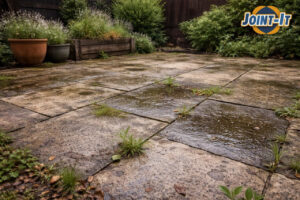
Weed Growth: Cracks and gaps provide an opportunity for weeds to take root, further damaging the structure.
Sealing your driveway acts as a protective layer, preventing water penetration, minimising wear and tear, and enhancing durability.
When Should Your Driveway Be Sealed?
The ideal time for sealing a driveway depends on several factors:
1. Newly Installed Driveways
For fresh tarmac driveways, it’s recommended to wait at least 6 months to a year before applying a sealer. This allows the surface to cure properly and ensures optimal adhesion of the sealant.
For brick paving driveways, sealing can be applied sooner, typically after a few months, once the paving sand has settled into the joints and the surface has fully stabilised.
2. Seasonal Considerations
Spring & Summer: The best seasons to seal a driveway are late spring to early autumn, when temperatures are consistently above 10°C. Warm weather helps the sealant dry and bond effectively.
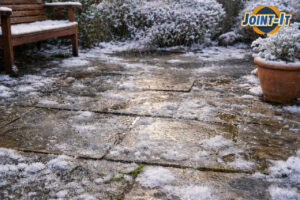
Avoid Rainy or Cold Conditions: Sealing in wet or freezing weather can prevent proper curing and reduce effectiveness.
3. Frequency of Sealing
Tarmac Driveways: Should typically be sealed every 2 to 3 years to maintain resilience and appearance.
Concrete Driveways: While concrete does not require sealing as often, applying a quality sealant every 3 to 5 years can prevent staining and moisture damage.
Brick Paving Driveways: Should be sealed every 3 to 4 years to maintain the integrity of the paving sand and prevent weed growth and colour fading.
Signs Your Driveway Needs Sealing
If you’re unsure whether your driveway needs to be sealed, look out for these indicators:
Fading Colour: A dull, grey appearance suggests UV damage and exposure to the elements.
Small Cracks or Surface Wear: Sealing prevents minor cracks from expanding into costly repairs.
Water Absorption: If water soaks into the driveway instead of beading on the surface, it’s time to reseal.
Increased Weeds in Joints: A quality sealant can help deter weed growth between pavers, asphalt cracks, or concrete slabs.
Why Choose Joint-It Premium Seal?
For superior protection and longevity, Joint-It Premium Seal is the best choice for homeowners and contractors.
Benefits of Joint-It Premium Seal
- Weather-Resistant: Protects against rain, UV rays, and freezing temperatures.
- Prevents Staining: Shields against oil, fuel, and other contaminants.
- Enhances Appearance: Restores and preserves the original colour and texture.
- Long-Lasting Protection: Reduces the need for frequent resealing.
- Ideal for Brick Paving: Keeps paving sand in place and prevents weed growth.
- Easy to Apply: Designed for DIY users and professionals alike.
How to Apply Joint-It Premium Seal
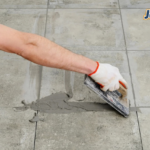
Clean the Surface: Remove dirt, debris, and stains before application.
Ensure Dry Conditions: Apply only when rain is not expected for at least 4 hours.
Use a Roller or Sprayer: Apply evenly across the surface.
Allow Proper Drying Time: Typically, 24-48 hours before heavy use.
Sealing your driveway at the right time is essential for preserving its longevity and appearance. Whether you have an asphalt, concrete, or brick paving driveway, following the recommended timelines and using a high-quality sealant like Joint-It Premium Seal ensures long-lasting protection and aesthetic appeal. For more information on sealing your driveway, read “How Does Patio Sealer Work?”