cement concrete

When planning to create or renovate a patio or driveway, you may hear the terms cement and concrete used interchangeably. While they are closely related, they are not the same. Understanding their differences is essential for selecting the right materials for your project. Let’s break down the roles of cement and concrete in paving and patio construction.

What Is Cement?

Cement is a fine powder made from a mixture of limestone, clay, shells, and silica sand, which is heated in a kiln and then ground into a powder. When mixed with water, it forms a paste that binds materials together as it hardens. Cement is an ingredient, not a standalone material for building patios or paving surfaces.

Common Types of Cement Used in Construction

  1. Portland Cement: The most common type used in concrete.
  2. Masonry Cement: Designed for mortar or stucco work.

In short, cement is the “glue” in construction projects. However, by itself, it lacks the durability and strength needed for patios or paving.

cement

What Is Concrete?

Concrete is a composite material made by mixing cement with aggregates (such as sand, gravel, or crushed stone) and water. As the mixture cures, it forms a hard, durable substance. This combination of materials makes concrete much more suitable for building large, load-bearing surfaces like patios, driveways, and walkways.

Key Components of Concrete:

  1. Cement: Acts as the binding agent.
  2. Aggregates: Provide bulk and improve strength.
  3. Water: Initiates the chemical reaction (hydration) that hardens the mix.

In essence, concrete is the final product used in most outdoor projects, with cement playing a supporting role.

concrete

Concrete vs. Cement for Patios and Paving

Feature
Cement
Concrete
Primary Use
Binding agent in mixtures
Structural material for patios and paving
Durability
Brittle and prone to cracking
Strong, long-lasting, and weather-resistant
Cost
Lower initial cost
Higher cost due to added materials
Ease of Use
Requires mixing with other materials
Ready-mix options available for convenience
Maintenance
Rarely used alone in outdoor projects
Minimal if sealed and installed correctly

Why Choose Concrete for Patios and Paving?

Strength and Longevity

Concrete is much stronger and more durable than cement alone. A properly installed concrete patio or driveway can last for decades, withstanding heavy foot or vehicle traffic and weather changes.

Design Versatility

Modern concrete offers numerous decorative options, such as:

  • Stamped Concrete: Mimics the look of stone, brick, or wood.
  • Colored Concrete: Custom shades for aesthetics.
  • Exposed Aggregate: Highlights the natural texture of stones.

Low Maintenance

Concrete surfaces require little maintenance beyond occasional cleaning and resealing. Cement-based structures, by contrast, would crumble under prolonged exposure to the elements.

To Cement Our Point

Cement and concrete are related but distinct materials, each suited to specific tasks. Cement serves as the foundation for concrete, but it’s concrete that shines when it comes to paving and patio construction. Its strength, versatility, and durability make it the material of choice for creating surfaces that stand the test of time.

Before beginning your project, consult with professionals to determine the best type of concrete mix and ensure proper installation. Whether you’re envisioning a sleek modern patio or a rustic walkway, concrete can bring your outdoor space to life.

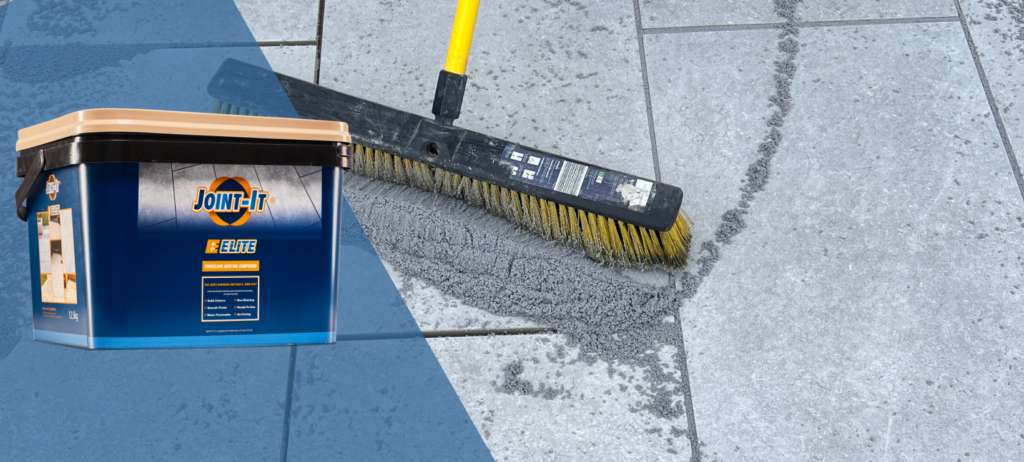
Looking for a Patio Joint Filler? Try Joint-It Elite

Recommended Posts