
If you live in a colder climate or experience harsh winters, you’ve probably wondered:
Is jointing compound frost resistant, or will it crack and fail when temperatures drop?
Choosing the right jointing compound is essential if you want a long-lasting patio or driveway that stands up to weather year-round. In this article, we’ll explain how jointing compounds perform in cold conditions, and why some are far better than others at resisting frost and ice.
What Is Jointing Compound?
Jointing compound is used to fill the gaps between paving slabs. It stabilises the surface, prevents weed growth, and improves water drainage. Unlike traditional mortar, modern jointing compounds are designed to be more flexible and weatherproof, but is jointing compound frost-resistant by default?
The answer depends entirely on the quality of the product you choose.
Can Jointing Compound Withstand Frost?
Yes, high-quality jointing compounds are frost-resistant. That means they can endure freezing temperatures, frost, and ice without cracking, crumbling, or failing. However, not all jointing compounds are created equal.
To be truly frost-resistant, a jointing compound must:
Allow water to drain freely (so it doesn’t freeze inside the joints)
Be flexible enough to move with temperature changes
Maintain strong adhesion even in sub-zero conditions
Why Joint-It Simple Is Frost Resistant
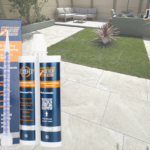
At Joint-It, we designed Joint-It Simple with harsh weather in mind, including freezing winters and regular frost. Developed in Ireland, it’s been tested in real-world conditions where rain, ice, and frost are common.
Key frost-resistant features:
Water-permeable: allows water to drain, preventing frost damage
Strong but flexible: expands/contracts without cracking
No shrinking: stays intact even after repeated freeze-thaw cycles
Ideal for natural stone: like sandstone, granite, and concrete paving
So if you’re asking “is jointing compound frost resistant?”, the answer is a confident yes, when you use Joint-It Simple.

How to Ensure Long-Term Frost Protection
Even the best frost-resistant jointing compound performs better with proper prep and maintenance:
Clean the paving thoroughly
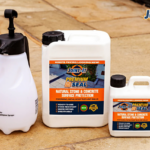
Use Joint-It So Clean to remove dirt and grime before jointing.Apply in dry conditions
Make sure the surface is dry and the weather is above 5°C during application.Consider sealing
Use a breathable patio sealer to reduce water absorption and improve longevity.Brush off debris regularly
Keep your paving clean to prevent organic material from affecting the joints.
Frost Resistant vs Non-Resistant Jointing Compounds
| Feature | Frost-Resistant Compound | Low-Quality Compound |
|---|---|---|
| Withstands freeze-thaw cycles | ✅ Yes | ❌ No |
| Prevents cracking or shrinkage | ✅ Yes | ❌ Crumbles easily |
| Allows water to drain | ✅ Yes | ❌ Traps moisture |
| Requires replacement each year | ❌ No | ✅ Likely |
Trusted by Professionals in Cold Climates
Professionals across the UK and Ireland choose Joint-It Simple because they’ve seen how well it performs through wet, frosty winters. If you want a patio jointing compound that can handle extreme weather without failing, choose one that’s specifically frost resistant.
Protect Your Patio from Frost This Winter
So, is jointing compound frost-resistant? It absolutely can be, as long as you choose a product that’s built for the job.
Joint-It Simple offers proven frost protection, all-weather performance, and long-lasting results.
Don’t let cold weather damage your paving, seal it right the first time.
If your grout is cracking, there are a number of reasons this might be. Read this article for more information “Why Your Patio Grout Keeps Cracking”