efflorescence on patio | Joint-It Premium Seal

You have probably noticed that efflorescence is a common issue that affects patio slabs, leaving behind unsightly white deposits. This phenomenon occurs when water-soluble salts within the paving material dissolve and migrate to the surface as moisture evaporates. Once exposed to air, these salts crystallise, forming a chalky residue. While efflorescence is not a sign of structural damage, it can affect the appearance of your patio. Understanding its causes and knowing how to manage it will help keep your paving in top condition.

What is Efflorescence in Patio Slabs?

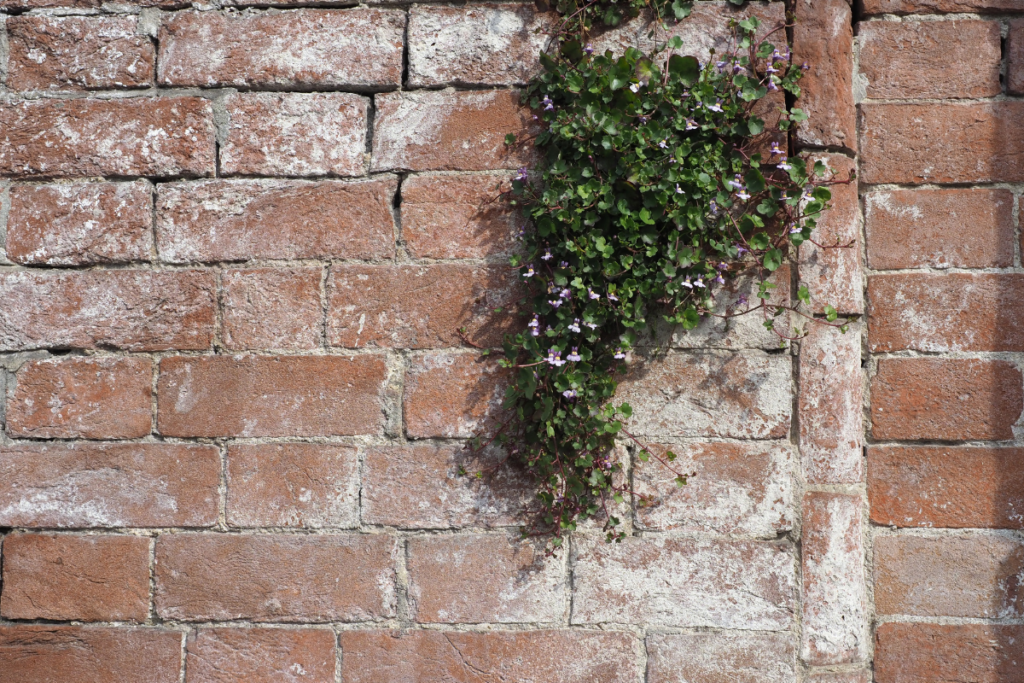
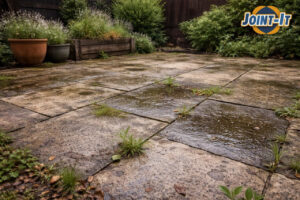
It is a white, powdery deposit that forms on the surface of patio slabs, bricks, and concrete. This occurs when water-soluble salts within the paving materials dissolve in moisture and migrate to the surface as the water evaporates. Once exposed to air, these salts crystallise, leaving behind a chalky residue.


The Science Behind Efflorescence

  • Most patio slabs contain calcium hydroxide, a byproduct of cement hydration.
  • When water enters the slabs, it dissolves these salts.
  • As the water moves to the surface and evaporates, the dissolved salts crystallise into calcium carbonate, forming visible deposits.
  • This is a natural chemical reaction and does not indicate structural damage to your patio slabs.

Causes of Efflorescence in Patio Slabs

1. Moisture Penetration

Rain, groundwater, or excess moisture from cleaning can dissolve salts within the slabs. As the water moves to the surface and evaporates, these salts are left behind.

2. Newly Laid Paving

Fresh cement-based materials contain higher amounts of salts, making new patios particularly prone to efflorescence. This issue typically appears within the first 6–12 months of installation.

3. High Humidity and Temperature Fluctuations

Warm, humid conditions accelerate moisture movement, increasing the likelihood of salt deposits.

4. Use of Water-Based Cleaners

Some patio cleaners can dissolve salts and bring them to the surface, making efflorescence more noticeable.

efflorescence on patio | Joint-It Premium Seal

How to Remove and Manage Efflorescence

1. Natural Weathering

  • Patio efflorescence often disappears on its own over time due to rain and natural wear.
  • Regular sweeping and light rinsing can help remove surface deposits.

2. Brushing and Dry Cleaning

Use a stiff-bristled brush to sweep away dry efflorescence without spreading it further.

3. Mild Acid-Based Cleaners

  • A diluted white vinegar solution (1 part vinegar to 5 parts water) can help dissolve and remove stubborn deposits.
  • Alternatively, use a specialised efflorescence remover designed for patio slabs.
  • Always test on a small, hidden area first to avoid damage.

4. Improve Drainage and Reduce Moisture

  • Ensure your patio has proper drainage to prevent excess water from seeping into the slabs.
  • Consider using a breathable jointing compound like Joint-It Simple to reduce moisture retention in the joints.

When and Why You Should Seal Your Patio

Sealing your patio can help prevent moisture penetration, reducing the risk of efflorescence and protecting your slabs from stains, algae growth, and weather damage. However, timing is crucial to avoid trapping salts inside the paving.

Best Time to Seal Your Patio

After 6–12 months for new patios – This allows any initial efflorescence to naturally wash away before sealing.

During dry weather – Ensure at least 48 hours of dry conditions before and after application.

When the patio is completely dry – Sealing damp paving can trap moisture and worsen efflorescence.

Spring or summer – Temperatures between 10–25°C are ideal for proper curing.


Choosing the Right Patio Sealer

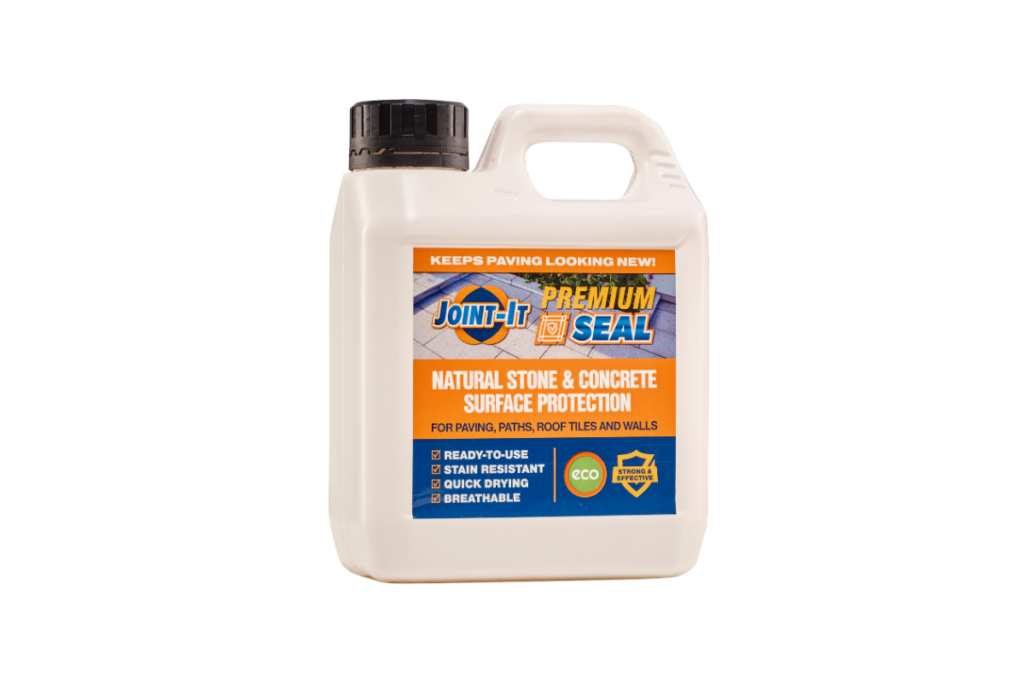
Breathable, Water-Based Sealers – Allows moisture to escape while still providing protection, and does not alter the stone’s appearance. Joint-It Premium Seal is an incredibly effective sealer with long-term benefits.
Solvent-Based Sealers – Offers strong protection but can darken or affect the stone.

Final Tips for a Long-Lasting Patio

✔ Use high-quality paving materials to minimise salt content.
✔ Ensure proper installation and drainage to prevent water buildup.
✔ Choose a weather-resistant jointing compound like Joint-It Dynamic for long-term durability.
✔ Maintain and clean your patio regularly to prevent efflorescence buildup.
✔ Seal your patio at the right time for maximum protection.

By understanding the science behind efflorescence and following best practices for prevention and maintenance, you can keep your patio looking pristine for years to come.

For more information on efflorescence, read this article “Efflorescence: Causes, Prevention, and Solutions.“

Recommended Posts