
If you don’t clean your patio regularly, the effects go far beyond appearance. What starts as a bit of dirt or discolouration can quickly turn into slippery surfaces, damaged joints, and costly repairs. In the UK’s damp climate, patios are especially vulnerable to neglect.
In this guide, we’ll explain exactly what happens when you don’t clean your patio, why problems escalate so quickly, and how regular maintenance protects both safety and longevity.
Why Regular Patio Cleaning Matters
Patios are exposed to rain, frost, organic debris, pollution and foot traffic all year round. Without routine cleaning, contaminants build up and begin to damage both the surface and the joints holding everything together.
If you don’t clean your patio, you’re allowing moisture, algae and debris to take hold, and once they do, problems accelerate.
What Happens If You Don’t Clean Your Patio?
1. Algae and Moss Take Over
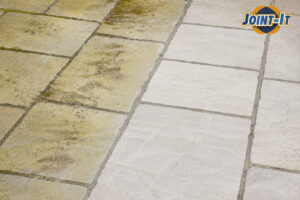
One of the first signs you don’t clean your patio is green or dark staining.
Algae and moss:
Thrive in damp, shaded areas
Spread quickly across slabs and joints
Make surfaces slippery and unsafe
Left untreated, algae becomes deeply embedded, making future cleaning far more difficult.
2. Your Patio Becomes Slippery and Unsafe
A dirty patio isn’t just unattractive, it’s a safety risk.
When you don’t clean your patio:
Moisture combines with algae and grime
Slip resistance is reduced
Risk of falls increases, especially in winter
This is particularly dangerous for children, pets and elderly family members.
3. Patio Joints Begin to Fail
Jointing material plays a crucial role in keeping your patio stable. Dirt, organic matter and moisture break it down over time.
If you don’t clean your patio:
Joints remain constantly damp
Weed seeds embed and germinate
Freeze-thaw cycles cause cracking
Once joints fail, slabs can loosen or sink, leading to uneven surfaces.
4. Weeds Grow Faster and Deeper if You Don't Clean Your Patio
Weeds don’t just appear overnight, they thrive in neglected patios.
When patios aren’t cleaned:
Debris collects in joints
Weed seeds settle and root
Roots widen joints and cause movement
This makes weed removal more frequent and more difficult over time.
5. Permanent Staining Develops
Organic debris, fallen leaves, food spills and pollution can all stain paving.
If you don’t clean your patio regularly:
Stains penetrate porous stone
Discolouration becomes permanent
Natural stone loses its original colour
Once staining sets in, even specialist cleaners may not fully restore the surface.
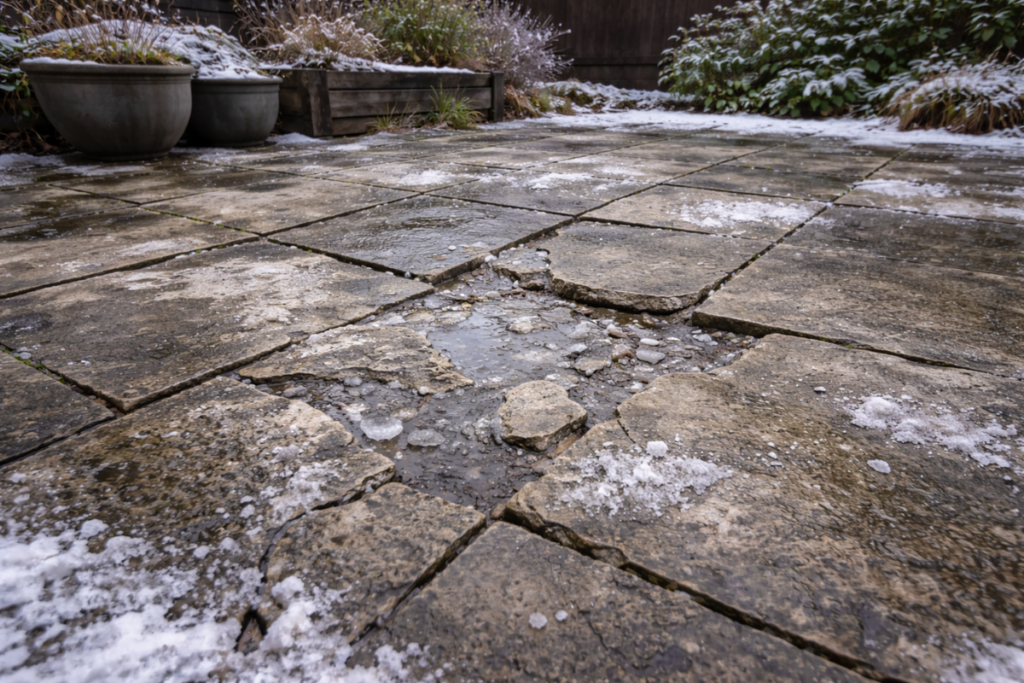
6. Increased Risk of Frost Damage
In colder months, trapped moisture becomes a serious issue.
Neglected patios:
Absorb more water
Are more prone to freeze-thaw damage
Develop cracks and surface flaking
Regular cleaning helps reduce moisture retention and protects against winter damage.
7. Your Patio Looks Older Than It Is
A clean patio enhances your entire outdoor space. A dirty one does the opposite.
If you don’t clean your patio:
Colours fade or dull unevenly
The garden looks neglected
Property appeal is reduced
This can even affect kerb appeal and perceived home value.
How Often Should You Clean Your Patio?
To avoid these issues, patios should ideally be cleaned:
Light clean every few weeks
Thorough clean 2–3 times per year with Joint-It So Clean
Additional cleaning after winter
High-traffic areas or shaded patios may need more frequent attention.

The Best Way to Prevent Patio Damage
Regular cleaning works best when combined with:
Proper jointing materials
Weed-resistant joints
Occasional sealing where appropriate
Using the right patio cleaners and avoiding harsh methods helps maintain both appearance and performance.
If You Don't Clean Your Patio
You’re not just dealing with cosmetic issues, you’re shortening its lifespan, increasing safety risks, and setting yourself up for avoidable repairs.
Regular, gentle cleaning combined with high-quality jointing solutions keeps patios safe, attractive and long-lasting.
A little maintenance now saves a lot of work later.